The Polish Ministry of Finance has published a draft regulation that introduces several exemptions from mandatory structured e-invoicing (KSeF) requirements, with the measures scheduled to take effect on 1 February 2026.
Exempted transactions
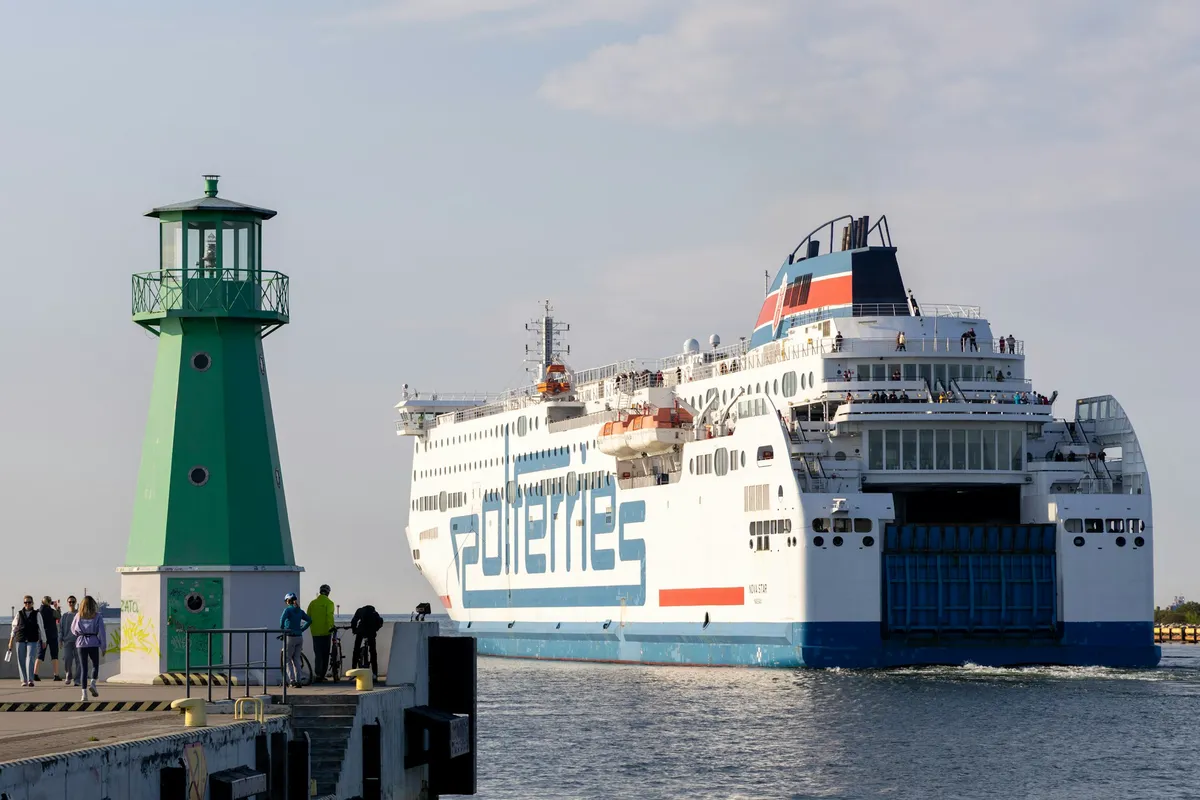
The draft regulation exempts five categories of transactions from the structured invoice obligation. Toll motorway services documented using specified single-ticket invoices would be exempt, along with passenger transport services provided by standard-gauge rail, road vehicles, sea-going vessels, inland waterways, ferries, aircraft, and helicopters.
Air traffic control and surveillance services subject to route-charge collection would also be exempt from the KSeF requirement. The regulation further exempts transactions involving legal tender, including currencies, banknotes, and coins, with defined exceptions.
Self-billing transactions where either the seller or the buyer does not hold a Polish Tax Identification Number (NIP) would be exempt from the structured invoicing obligation.
Voluntary structured invoicing
The draft regulation introduces a provision allowing voluntary issuance of structured invoices for intra-EU supplies of goods, provided the nonresident buyer holds a valid EU VAT registration number.
Context
The exemptions represent a refinement of Poland's KSeF system, which mandates structured e-invoicing for domestic B2B transactions. The exclusions address sectors where implementing structured invoicing presents particular operational challenges or where alternative documentation systems are already established. The regulation remains subject to completion of the legislative process before the February 2026 implementation date.